
Story of the F-35A Lightning II
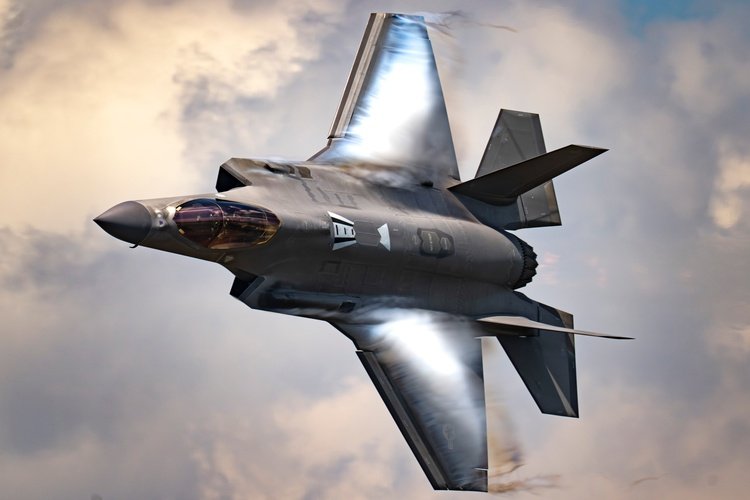
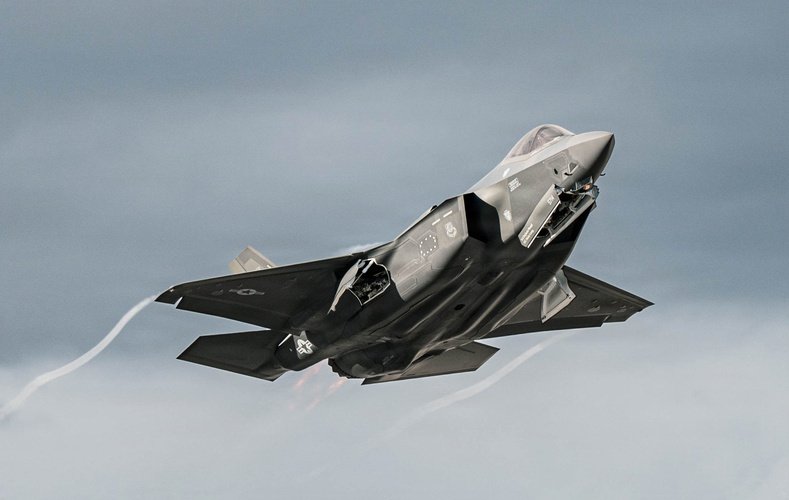
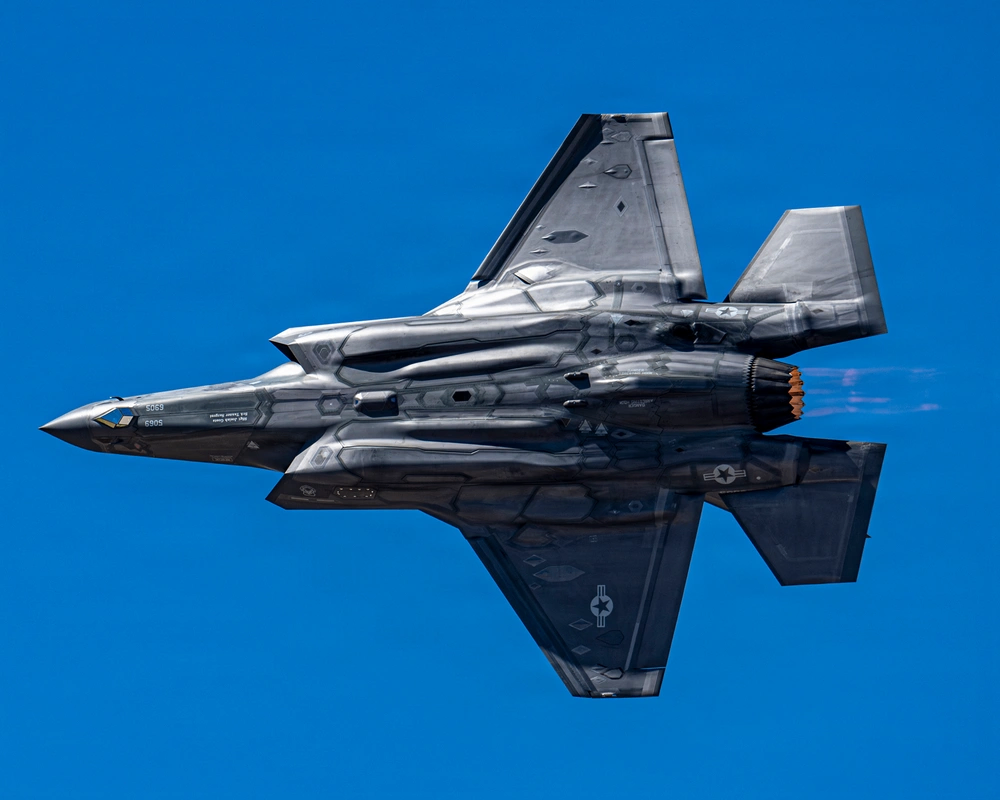
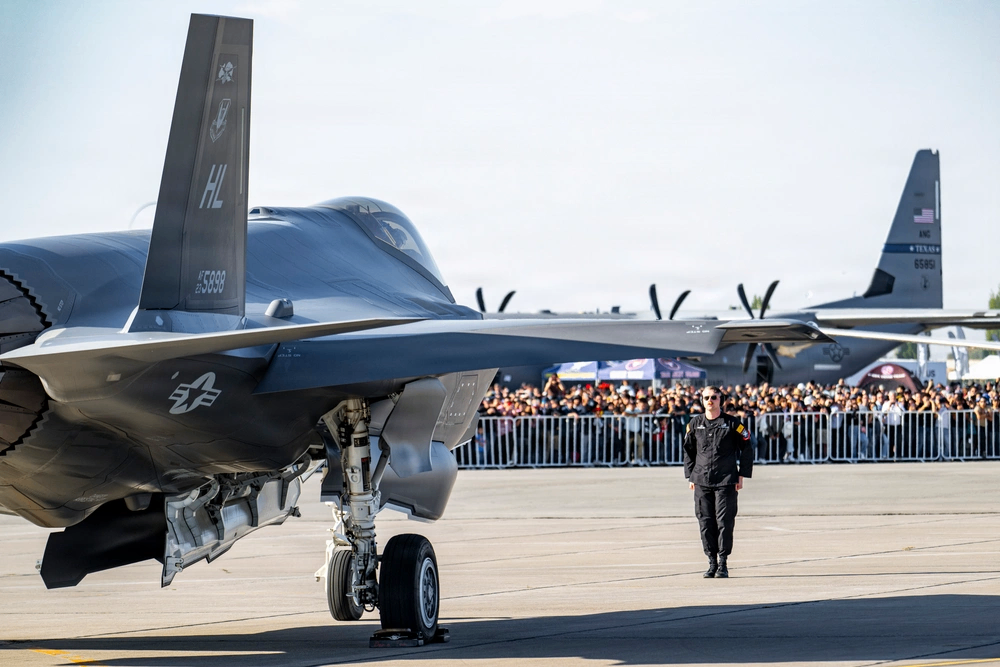
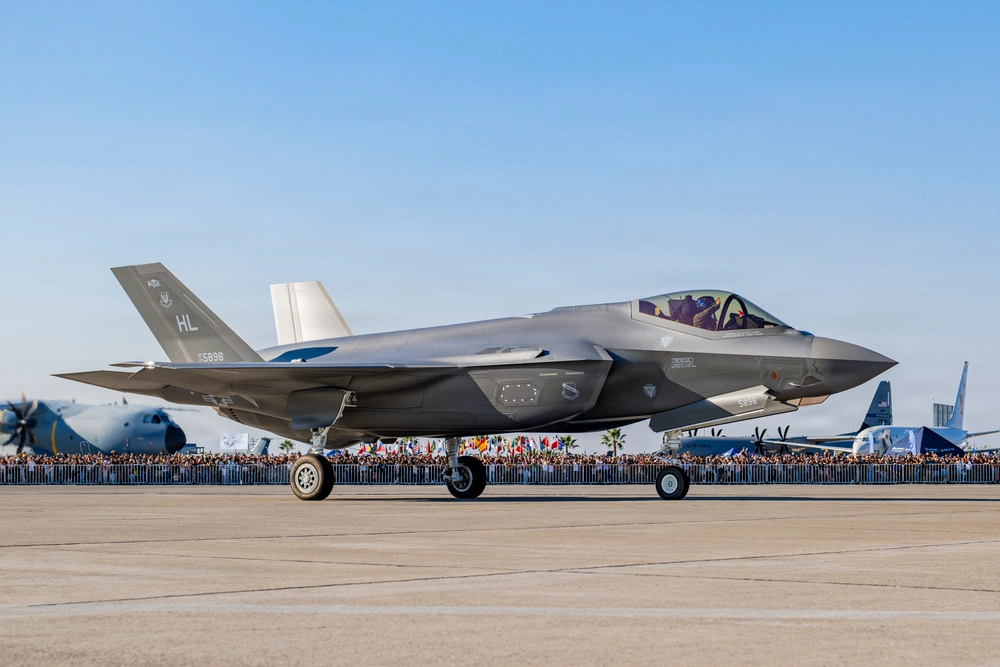
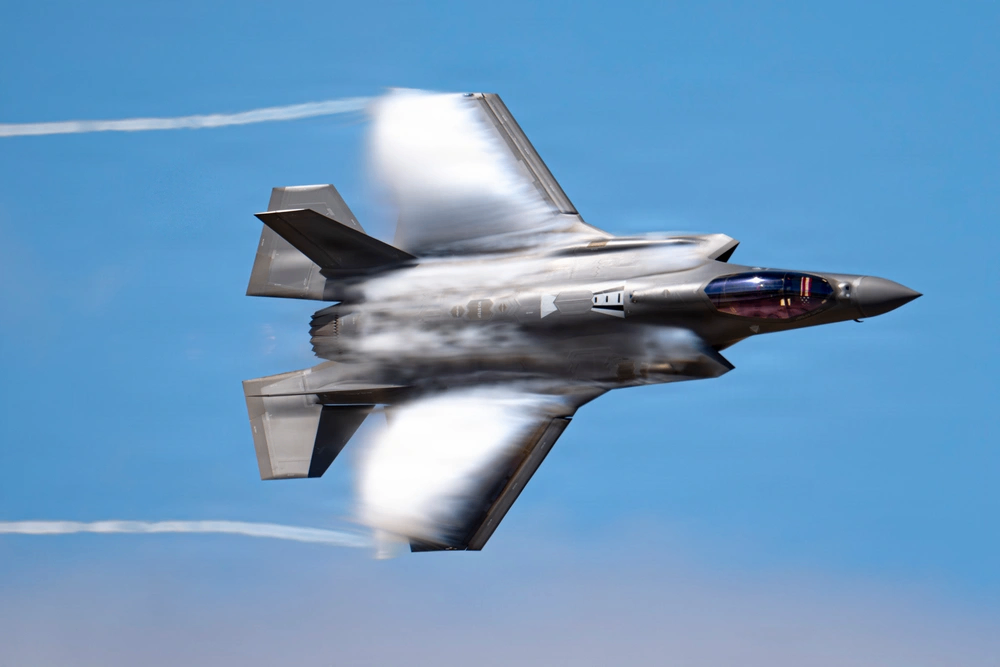
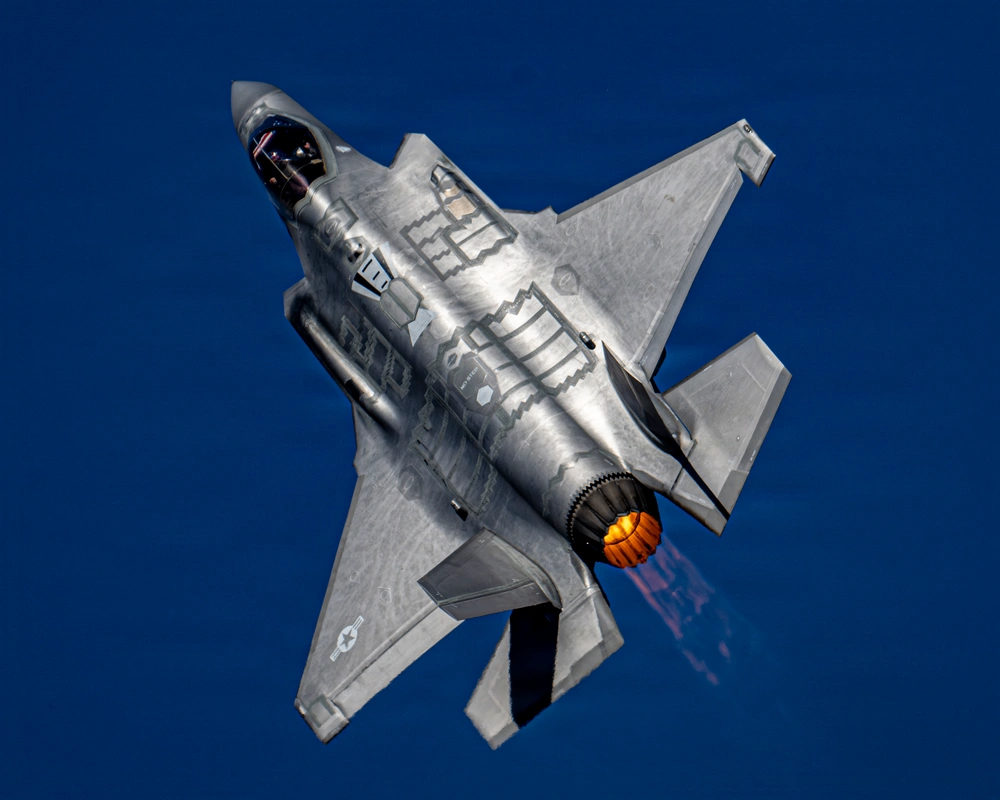
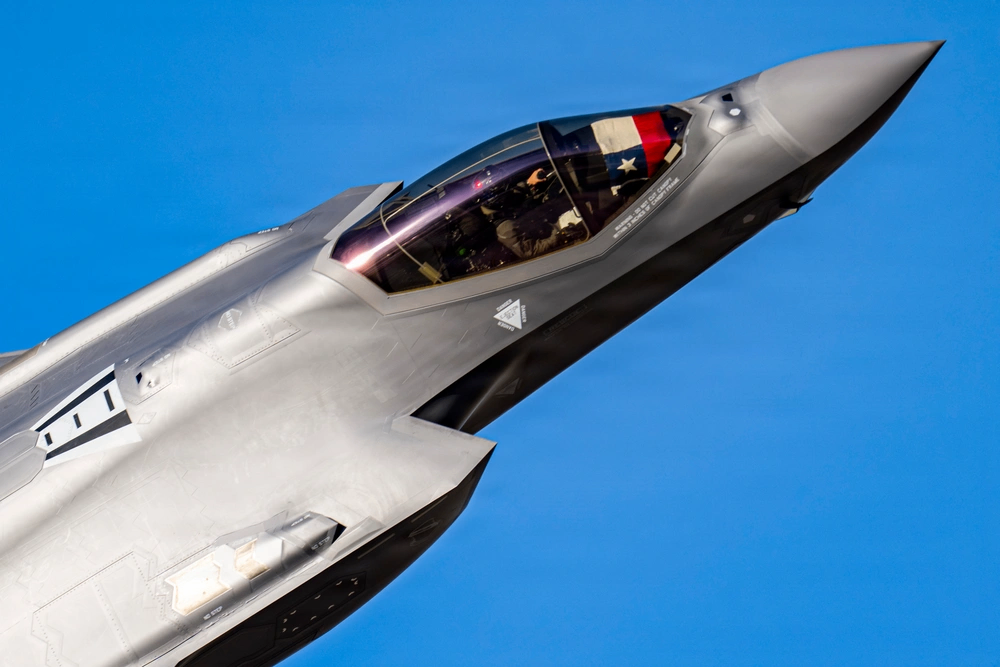
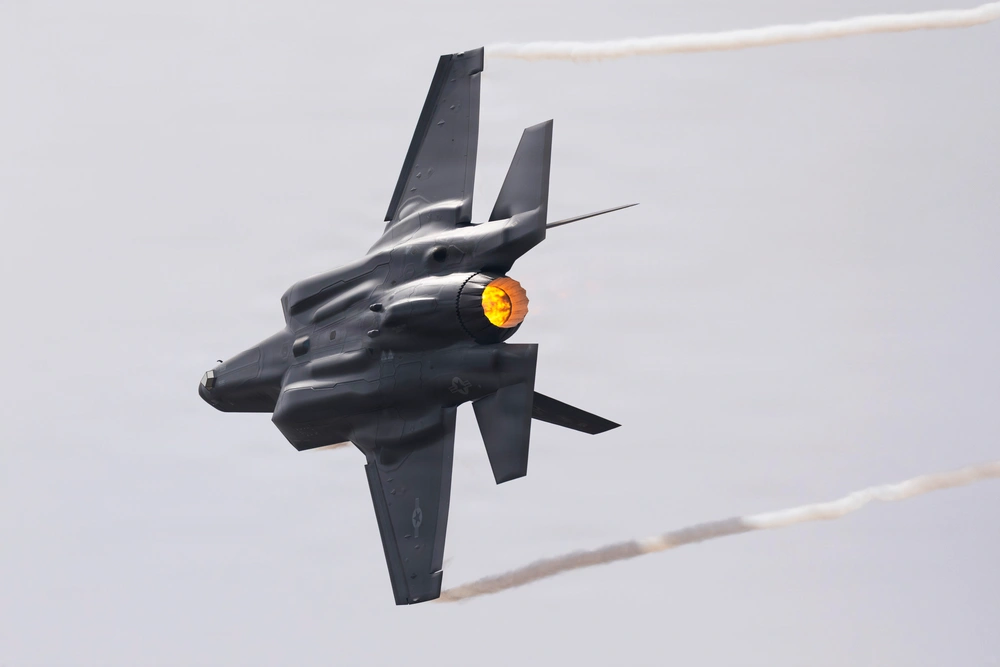
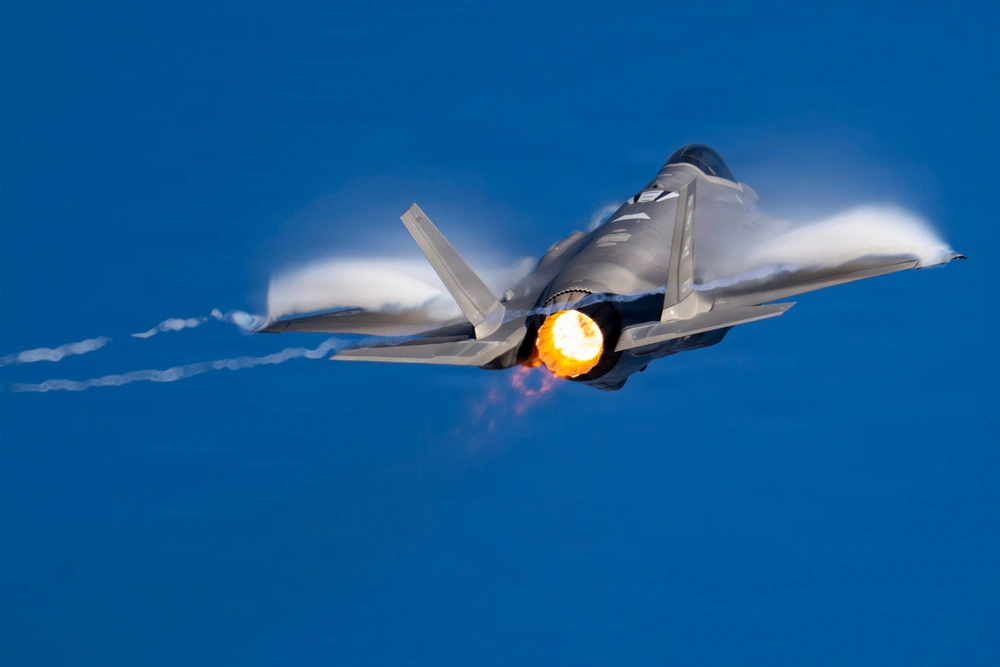
The F-35A Lightning II is the U.S. Air Force’s newest fifth-generation fighter, a stealthy, multirole, all-weather air-to-air and surface attack aircraft designed to enable direct attack against the most heavily defended ground targets. It brings next-generation stealth, enhanced situational awareness, and reduced vulnerability for the United States and allied nations. With its aerodynamic performance and advanced integrated avionics, it is built to operate in advanced threat environments.
The conventional takeoff and landing F-35A is an agile, versatile, high-performance, 9g-capable multirole fighter that combines stealth, sensor fusion and unprecedented situational awareness. Its advanced sensor package is designed to gather, fuse and distribute more information than any fighter in history, and includes the Electro-Optical Distributed Aperture System, the Electro-Optical Targeting System, and the most advanced helmet mounted display system of its kind, which replaces the traditional Heads Up Display. The F-35 also features state-of-the-art tactical data links for secure data sharing with other airborne, surface and ground-based platforms.
With nine countries involved in its development (United States, United Kingdom, Italy, Netherlands, Turkey, Canada, Denmark, Norway and Australia), the F-35 represents a new model of international cooperation that supports U.S. and Coalition partner security well into the 21st century and will employ a variety of U.S. and allied weapons. The F-35 is designed to replace aging fighter inventories including U.S. Air Force F-16s and A-10s, U.S. Navy F/A-18s, U.S. Marine Corps AV-8B Harriers and F/A-18s, and U.K. Harrier GR.7s and Sea Harriers.
Its first flight was on December 15, 2006, first U.S. Air Force delivery was in April 2011, and initial operational capability was declared on August 2, 2016.